The future of technology is an exhilarating and rapidly evolving landscape, with groundbreaking advancements set to redefine how we live, work, and interact with the world. Technologies such as artificial intelligence (AI), quantum computing, biotechnology, and 5G are at the forefront of this revolution, offering the potential to bring about monumental changes in a variety of sectors.
AI, for instance, is poised to revolutionize industries by enhancing automation, decision-making, and personalized experiences. Quantum computing promises to solve problems that are beyond the capabilities of traditional computers, unlocking new possibilities in fields like cryptography and complex simulations. Biotechnology is advancing rapidly, particularly in the areas of gene editing, personalized medicine, and healthcare innovations, which could dramatically improve the quality of life.
Additionally, the rollout of 5G networks will provide faster, more reliable connectivity, empowering the Internet of Things (IoT) and enabling smarter cities and autonomous systems. In this article, we will delve into the top tech trends shaping the future, exploring each innovation’s potential, the challenges they face, and how they are already beginning to make a tangible impact in the real world.
1. Artificial Intelligence and Machine Learning
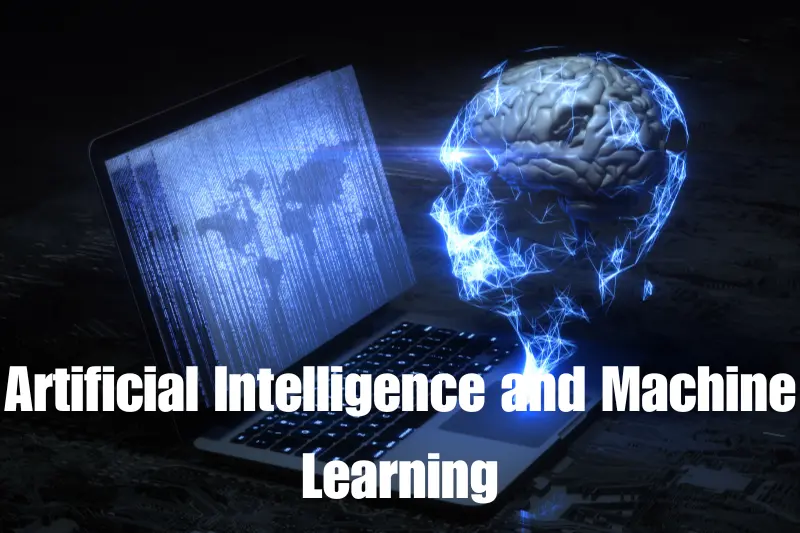
Artificial intelligence (AI) and machine learning (ML) are at the forefront of the tech revolution, impacting almost every sector from healthcare to finance. AI refers to machines designed to think, learn, and make decisions similar to the human brain. Machine learning, a subset of AI, focuses on algorithms that allow systems to learn and improve over time based on data, without being explicitly programmed.
Applications:
- Healthcare: AI-powered tools are improving diagnostics, predicting diseases, and personalizing treatment plans. Machine learning algorithms are being used for drug discovery, accelerating research processes.
- Finance: In the financial sector, AI is streamlining operations, detecting fraud, and providing personalized banking experiences.
- Automation: In manufacturing and logistics, AI-driven robots and machines optimize processes, reduce costs, and improve efficiency.
Challenges:
- Ethical Considerations: AI raises concerns about data privacy, surveillance, and the potential for bias in decision-making processes.
- Job Displacement: Automation may lead to job losses in certain sectors, although it also creates new job categories in tech fields.
2. Quantum Computing
Quantum computing represents a massive leap in computational power. Traditional computers process information in binary (1s and 0s), but quantum computers utilize quantum bits, or qubits, which can represent and store information in multiple states simultaneously. This capability opens the door to solving problems that are currently beyond the reach of classical computers.
Applications:
- Drug Discovery and Materials Science: Quantum computers could simulate molecular structures and chemical reactions, significantly accelerating drug development and the creation of new materials.
- Cryptography: Quantum computing promises to revolutionize cryptography, both in terms of breaking current encryption standards and creating new, more secure systems.
- Optimization Problems: Industries that require solving complex optimization problems, such as logistics and finance, could see massive efficiency gains.
Challenges:
- Development Challenges: Quantum computing is still in its infancy, with technical hurdles in creating stable qubits and scaling quantum systems.
- Cybersecurity: The advent of quantum computing could threaten current encryption systems, necessitating new security protocols.
You may also like to read this:
AI And Tech Trends News: Robotics And Sustainability In 2025
Top Tech Trends 2025: How New Tech Will Change The World
Top 10 Emerging Technology Trends Of The Future
Latest Tech Trends and Insights in 2025: What You Must Know
Top 10 Future Tech Trends To Watch In 2025: A Complete Guide
3. 5G and Beyond: The Connectivity Revolution
The rollout of 5G technology marks a significant milestone in global connectivity. With speeds up to 100 times faster than 4G, 5G will enhance communication, support the Internet of Things (IoT), and enable real-time data transfer for applications like autonomous vehicles and augmented reality (AR).
Applications:
- Smart Cities: 5G will support the infrastructure of smart cities, enhancing traffic management, energy efficiency, and public safety.
- Autonomous Vehicles: The ultra-low latency of 5G is essential for self-driving cars, enabling quick communication between vehicles and infrastructure.
- IoT: From smart homes to industrial automation, 5G enables seamless connectivity between billions of IoT devices, fostering innovation in multiple sectors.
Challenges:
- Infrastructure Costs: The implementation of 5G requires significant investment in infrastructure and equipment.
- Security Risks: As with all interconnected networks, the increased number of connected devices raises concerns about data breaches and privacy issues.
4. Blockchain and Decentralized Finance (DeFi)
Blockchain technology, the backbone of cryptocurrencies like Bitcoin, is poised to revolutionize industries by offering secure, transparent, and decentralized solutions for data storage, transactions, and contracts. Blockchain’s ability to create immutable records makes it particularly attractive in industries like finance, supply chain management, and healthcare.
Applications:
- Decentralized Finance (DeFi): Blockchain enables peer-to-peer financial services without intermediaries. DeFi platforms allow for lending, borrowing, trading, and insurance through smart contracts and cryptocurrencies.
- Supply Chain Transparency: Blockchain can track goods through every stage of production and delivery, providing a transparent and tamper-proof record of transactions.
- Voting Systems: Blockchain’s security features make it an ideal candidate for tamper-proof voting systems, ensuring election integrity.
Challenges:
- Scalability: The current blockchain infrastructure struggles with scalability, limiting its ability to handle large volumes of transactions.
- Regulatory Uncertainty: The rise of decentralized finance and cryptocurrencies has prompted regulatory bodies to consider how to manage and control the technology.
5. Augmented Reality (AR) and Virtual Reality (VR)
AR and VR are rapidly evolving technologies with applications across entertainment, education, healthcare, and retail. While VR immerses users in entirely digital environments, AR overlays digital content onto the real world, enhancing how we interact with the physical world around us.
Applications:
- Entertainment: Video games, movies, and virtual tourism are becoming more interactive with AR and VR. These technologies provide immersive experiences, such as playing VR games in entirely new virtual worlds or interacting with 3D projections in AR.
- Education: AR and VR offer transformative learning experiences by creating simulations for complex subjects like surgery or space exploration.
- Retail: Virtual try-ons in fashion and AR-based shopping experiences are becoming more common, enhancing customer engagement.
Challenges:
- Cost and Accessibility: High-quality AR/VR devices remain expensive, limiting their accessibility to the mass market.
- Content Creation: Developing compelling AR/VR content that appeals to a wide audience remains a significant challenge for creators and developers.
6. Biotechnology and Healthcare Innovations
The convergence of technology and biology is revolutionizing healthcare, with advancements that promise to extend life expectancy, cure diseases, and improve quality of life. Key innovations in biotechnology include gene editing (e.g., CRISPR), wearable health devices, and personalized medicine.
Applications:
- Gene Editing and CRISPR: CRISPR technology allows for precise editing of genes, holding the potential to cure genetic disorders, prevent diseases, and improve crops.
- Wearable Health Devices: Devices like fitness trackers, smartwatches, and even implantable devices are transforming healthcare by continuously monitoring patients’ health and providing real-time data to physicians.
- Personalized Medicine: Advances in genomics enable treatments tailored to individual genetic profiles, improving the effectiveness and reducing side effects.
Challenges:
- Ethical Concerns: Gene editing and the manipulation of biological systems raise significant ethical dilemmas, particularly in areas like human cloning and genetic enhancement.
- Regulatory Hurdles: The approval process for new biotech innovations can be lengthy and costly, slowing down the pace of progress.
7. Sustainability and Green Tech
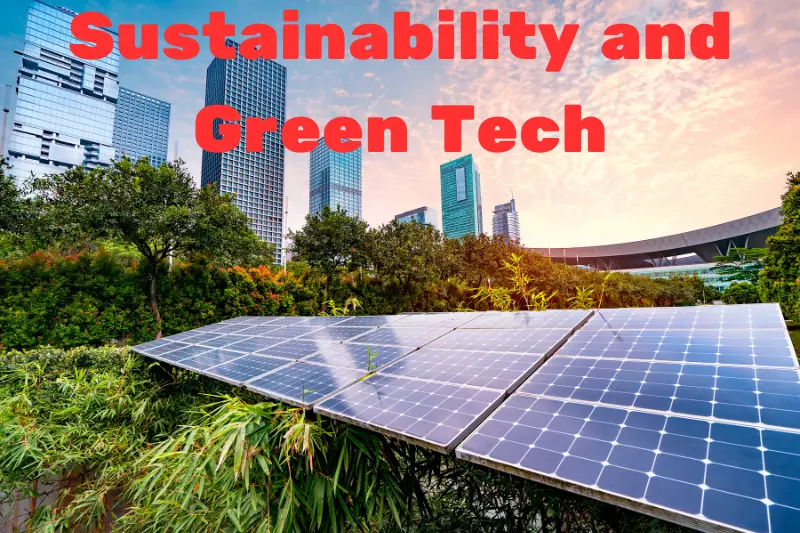
As the world faces environmental challenges such as climate change and resource depletion, green technologies are gaining prominence. Innovations in renewable energy, energy storage, and carbon capture are crucial to reducing humanity’s ecological footprint and achieving sustainable development goals.
Applications:
- Renewable Energy: Solar, wind, and geothermal energy sources are rapidly advancing, providing cleaner alternatives to fossil fuels.
- Electric Vehicles (EVs): The rise of EVs, powered by clean energy, is transforming the automotive industry and reducing dependence on traditional gasoline-powered cars.
- Carbon Capture and Storage (CCS): Technologies designed to capture and store carbon dioxide emissions are crucial for mitigating climate change.
Challenges:
- Cost of Adoption: Transitioning to green technologies requires significant investment and infrastructure changes.
- Energy Storage: While renewable energy is abundant, storing it efficiently for use during non-productive times remains a challenge.
8. Edge Computing: Decentralizing Data Processing
Edge computing refers to the processing of data closer to where it is generated rather than relying on centralized cloud servers. This technology is gaining traction due to its ability to reduce latency, improve real-time data processing, and enhance the efficiency of systems that require quick decision-making.
Applications:
- Autonomous Vehicles: For self-driving cars, the ability to process data locally allows them to make split-second decisions in real time, ensuring safety and efficiency.
- Industrial IoT: In industries like manufacturing, edge computing allows for instant data processing at the source, improving operational efficiency and predictive maintenance.
- Smart Devices: With the rise of smart homes, edge computing enables devices like security cameras, smart thermostats, and voice assistants to operate more efficiently, reducing reliance on cloud-based services.
Challenges:
- Security: Processing data at the edge increases the number of devices that need to be secured, creating more potential points of vulnerability.
- Infrastructure: While edge computing offers benefits, it requires robust infrastructure in place to support the distribution of processing power across different locations.
9. Wearable Technology and Health Monitoring
The proliferation of wearable devices is not only changing the way people track their fitness but also revolutionizing healthcare. Wearable technology, such as smartwatches, health trackers, and even smart clothing, is evolving into a sophisticated tool for real-time health monitoring.
Applications:
- Chronic Disease Management: Wearables can track vital signs like heart rate, blood pressure, glucose levels, and oxygen saturation, offering insights into chronic conditions such as diabetes, hypertension, and respiratory diseases.
- Preventive Healthcare: By constantly monitoring users’ health metrics, wearables can provide early warnings about potential health issues, allowing for proactive intervention.
- Sleep and Mental Health: Devices that monitor sleep patterns and stress levels are gaining popularity, helping users manage mental and emotional well-being more effectively.
Challenges:
- Data Privacy: The continuous collection of sensitive health data raises concerns about privacy and security.
- Accuracy: While wearables can track many metrics, ensuring the accuracy and reliability of this data remains a challenge for medical use.
10. Robotics and Automation
The robotics industry is progressing at an unprecedented rate, with machines becoming increasingly capable of performing tasks that were once thought to be exclusive to humans. Automation in both the industrial and consumer spaces is transforming workflows, productivity, and overall efficiency.
Applications:
- Manufacturing and Logistics: Robotics is heavily utilized in assembly lines, with robots performing tasks like welding, painting, and packing. In logistics, autonomous robots and drones are speeding up the delivery process.
- Healthcare: Robots are assisting in surgeries, rehabilitation, and eldercare. Surgical robots, like the Da Vinci system, are enhancing precision in delicate procedures.
- Service Industry: Autonomous robots are being introduced in hotels, airports, and retail settings, handling everything from cleaning to customer service.
Challenges:
- Ethical Issues: The widespread adoption of robots in the workforce raises concerns about job displacement and the need for reskilling workers.
- Safety and Regulation: As robots become more integrated into industries like healthcare and autonomous driving, ensuring their safety and adherence to regulations will be paramount.
11. The Metaverse: The Next Evolution of the Internet
The Metaverse is an immersive virtual world that allows people to interact with each other and digital environments in real time. This trend has gained considerable attention from tech giants like Facebook (Meta) and Microsoft, who are betting on it as the next big leap for the internet. It combines virtual reality (VR), augmented reality (AR), and the internet into one interconnected space where users can socialize, work, and play.
Applications:
- Virtual Workspaces: With the rise of remote work, the Metaverse can provide an immersive virtual office environment where people can collaborate and communicate in real time, breaking down geographic boundaries.
- Entertainment and Socialization: In the Metaverse, users can attend concerts, watch sports, explore virtual worlds, or socialize with others in a completely immersive environment.
- Retail and E-Commerce: The Metaverse opens new opportunities for virtual shopping experiences, allowing customers to browse digital stores, try on clothes in a virtual fitting room, or even interact with virtual sales assistants.
Challenges:
- Hardware Limitations: The high-quality immersive experiences promised by the Metaverse require specialized hardware, such as VR headsets, which may not be accessible to all users.
- Privacy and Data Security: The immersive nature of the Metaverse means that vast amounts of personal data will be collected, raising concerns over how this data will be managed and protected.
12. Voice Technology: Conversational AI and Smart Assistants
Voice technology is rapidly becoming one of the most important interfaces for interacting with devices. With the rise of voice assistants like Amazon Alexa, Apple Siri, and Google Assistant, voice recognition and conversational AI are enhancing the user experience across a range of products and services.
Applications:
- Smart Homes: Voice assistants are at the core of the smart home ecosystem, controlling everything from lights and thermostats to security systems and entertainment devices.
- Customer Service: Many businesses are now using conversational AI for customer support, allowing users to resolve issues via chatbots or voice assistants, reducing wait times and enhancing the customer experience.
- Healthcare: Voice recognition technology is being integrated into healthcare systems to assist doctors in taking notes, streamlining patient communication, and managing workflows.
Challenges:
- Accurate Understanding: While voice technology has improved significantly, ensuring the system understands accents, dialects, and diverse speech patterns remains a challenge.
- Privacy Concerns: Voice assistants listen to conversations to detect commands, raising concerns about data privacy and how these voice recordings are stored and used.
13. Cybersecurity: Protecting the Digital World
As the world becomes more interconnected, cybersecurity remains one of the most critical areas of focus for individuals, businesses, and governments. The increasing sophistication of cyberattacks, including ransomware, phishing, and data breaches, makes it essential to stay ahead of potential threats.
Applications:
- Artificial Intelligence for Threat Detection: AI and machine learning are being integrated into cybersecurity systems to detect abnormal behaviors and potential threats in real time.
- Blockchain for Secure Transactions: Blockchain’s decentralized nature provides a more secure way to carry out transactions, reducing the risk of fraud and cyberattacks.
- Zero Trust Security Models: This approach assumes that every user and device is a potential threat, requiring continuous verification and authentication.
Challenges:
- Evolving Threat Landscape: As technology advances, so do the tactics of cybercriminals. Keeping up with emerging threats requires constant innovation in cybersecurity tools and strategies.
- Data Privacy: With increasing data collection and surveillance, ensuring the privacy of personal information is a fundamental concern.
Conclusion
The tech trends shaping the future are set to redefine every aspect of our lives, with innovations like artificial intelligence (AI), quantum computing, biotechnology, and 5G leading the charge. These technologies promise to transform industries, enhance connectivity, and create new opportunities for businesses and individuals alike. As we move into this new era, it is crucial to address the challenges that come with these advancements, such as ethical dilemmas, privacy concerns, and infrastructure needs.
By staying ahead of these tech trends shaping the future, we can unlock the full potential of these innovations while ensuring a balanced and sustainable progression. The future is bright, and embracing these trends will be key to navigating a rapidly changing technological landscape.
FAQs
Q1. What are the main tech trends shaping the future?
Key trends include AI, quantum computing, biotechnology, 5G, blockchain, AR/VR, edge computing, robotics, and the metaverse, all set to transform industries.
Q2. How will AI impact industries?
AI will enhance automation, improve decision-making, and drive personalized experiences across sectors like healthcare, finance, and manufacturing.
Q3. What is quantum computing?
Quantum computing uses qubits to solve problems beyond the capability of traditional computers, promising advancements in cryptography, optimization, and drug discovery.
Q4. How will 5G change connectivity?
5G will offer faster speeds, lower latency, and better support for IoT, enabling real-time data transfer and transforming industries like healthcare and transportation.
Q5. What role will biotechnology play?
Biotechnology will advance gene editing, personalized medicine, and health monitoring, improving preventive and personalized care.