The rapid evolution of technology is transforming every aspect of our lives, from how we work and communicate to how we learn and interact with the world. Emerging technology trends are driving more efficient, sustainable, and intelligent systems that are reshaping industries and society. Innovations like artificial intelligence, quantum computing, and improved connectivity are unlocking new opportunities, improving decision-making, and creating solutions to complex challenges.
These advancements are not only enhancing business operations but also revolutionizing sectors such as healthcare, finance, transportation, and entertainment. In this article, we’ll explore the key trends that will shape industries in the coming years.
1. Artificial Intelligence (AI) and Machine Learning (ML)
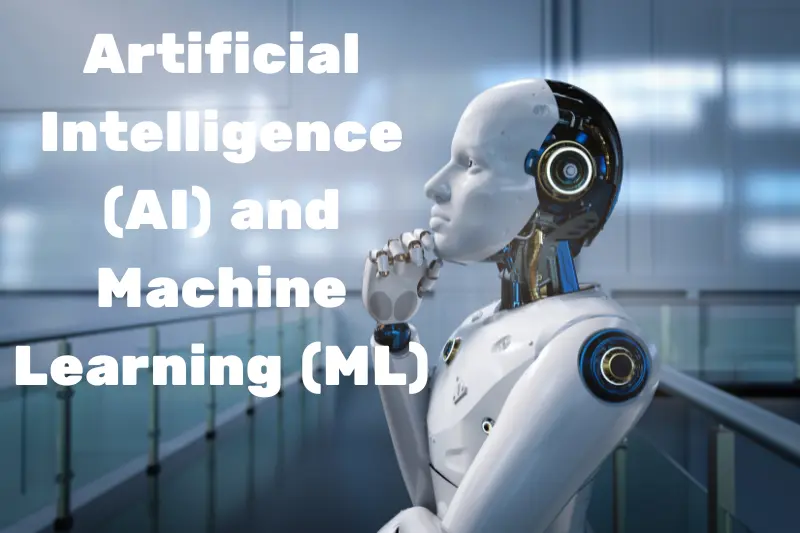
Artificial Intelligence involves creating systems that simulate human intelligence, such as recognizing speech, making decisions, and understanding natural language. Machine Learning, a subset of AI, allows systems to improve their performance by learning from data, without being explicitly programmed.
Key Impact Areas:
- Healthcare: AI has significantly transformed healthcare by enabling predictive analytics, personalized treatment, drug discovery, and improving the accuracy of medical imaging. AI algorithms can analyze medical scans and detect early signs of diseases such as cancer, potentially saving lives with early interventions.
- Automation: AI-powered robots are optimizing production lines in industries like manufacturing. Autonomous vehicles, relying heavily on AI, are revolutionizing transportation and logistics by reducing human error, improving efficiency, and creating new transportation models.
- Customer Service: AI-driven tools like chatbots have transformed customer service by offering fast, personalized assistance. These systems understand user queries, provide solutions, and improve customer satisfaction, reducing operational costs for businesses.
You may also like to read this:
Top Rated Gadgets Review: Best Gadgets You Need
Tech Gadgets Review And News: Discover The Best Gadgets
Latest Gadget Reviews 2025: Best Devices Of The Year
Top Future Tech Breakthroughs: AI, Robotics, Quantum Tech
Future Tech Predictions: Emerging Trends For 2025
2. Quantum Computing
Quantum computing represents a breakthrough in computing power, utilizing quantum bits (qubits) that can exist in multiple states simultaneously. This property allows quantum computers to solve problems at speeds and complexities far beyond the capabilities of classical computers.
Key Impact Areas:
- Cryptography: Quantum computing could break traditional encryption methods, prompting the development of new, quantum-resistant cryptography. This has implications for data security, particularly for sensitive government and corporate data.
- Drug Discovery: By simulating molecular structures at an unprecedented scale, quantum computers could vastly speed up drug development, leading to quicker treatments and potentially curing previously untreatable diseases.
- Optimization Problems: Quantum computing’s ability to quickly solve optimization problems is invaluable in fields like logistics, finance, and supply chain management, offering solutions that classical computers cannot feasibly compute.
3. 5G and Connectivity
5G technology promises faster internet speeds, ultra-low latency, and the ability to connect more devices simultaneously, thus transforming industries like telecommunications, healthcare, and entertainment.
Key Impact Areas:
- IoT (Internet of Things): The implementation of 5G will lead to the widespread adoption of IoT devices, such as smart homes, wearables, and industrial sensors. These devices will become more efficient, interconnected, and capable of exchanging data in real-time.
- Telemedicine: 5G’s low latency will enhance telemedicine services, allowing for real-time remote consultations, virtual surgeries, and continuous patient monitoring, significantly improving healthcare delivery, particularly in underserved areas.
- Autonomous Vehicles: Self-driving cars will depend on 5G for real-time communication with each other and infrastructure, improving safety, reducing traffic congestion, and enabling smoother traffic management systems.
4. Blockchain and Decentralized Technologies
Blockchain technology offers a decentralized and secure method for recording transactions. Beyond cryptocurrencies like Bitcoin, blockchain has the potential to revolutionize many industries by providing transparency, security, and efficiency.
Key Impact Areas:
- Finance: Blockchain is reshaping the financial sector by allowing secure, transparent peer-to-peer transactions. It eliminates intermediaries, reducing transaction costs and enabling more efficient financial systems.
- Supply Chain Management: Blockchain’s immutable ledger can track goods from production to delivery, providing transparency and accountability. This reduces fraud and ensures the integrity of goods, particularly in industries like food and pharmaceuticals.
- Smart Contracts: These self-executing contracts with the terms of the agreement directly written into code have the potential to revolutionize sectors like real estate, insurance, and legal services by automating and securing transactions without the need for intermediaries.
5. Edge Computing
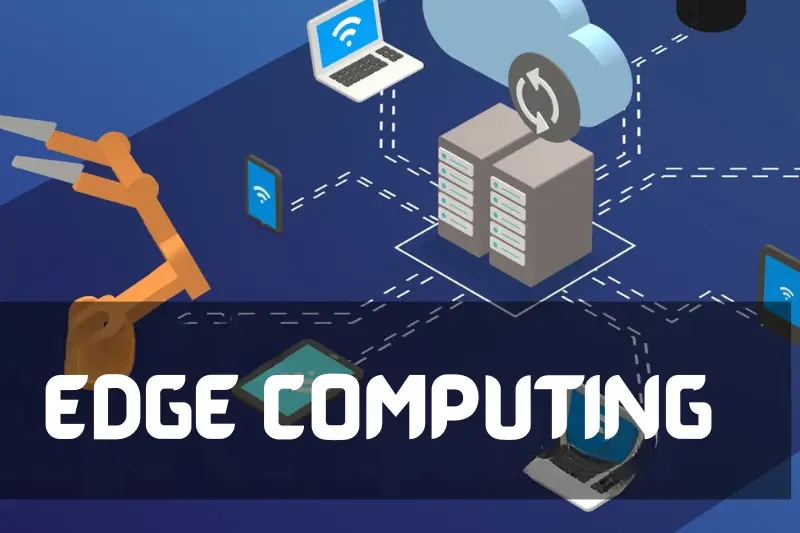
Edge computing involves processing data near its source rather than relying on centralized cloud servers. This reduces latency, improves real-time decision-making, and enhances efficiency for applications requiring fast data processing.
Key Impact Areas:
- Smart Cities: Edge computing facilitates the real-time processing of data from urban infrastructure, enabling smarter traffic management, waste management, and public safety systems, improving the quality of life in urban environments.
- Industrial IoT: In manufacturing, edge computing allows machines and sensors to process data locally, reducing the time it takes for data to travel to the cloud and allowing for quicker decision-making, enhancing operational efficiency.
- Autonomous Systems: Autonomous vehicles and drones rely on edge computing to process data in real-time, ensuring that they can make immediate decisions based on information from sensors, cameras, and other devices.
6. Augmented Reality (AR) and Virtual Reality (VR)
AR and VR are changing the way we experience digital content. While VR immerses users in entirely virtual environments, AR overlays digital information onto the physical world, creating more interactive and engaging experiences.
Key Impact Areas:
- Gaming and Entertainment: VR provides fully immersive experiences in gaming, where users can explore vast virtual worlds. AR enhances mobile gaming by adding interactive layers to real-world environments, creating an immersive experience.
- Retail: AR enables customers to virtually try on products, such as clothes or makeup, and visualize furniture in their homes. This creates a more personalized shopping experience and helps reduce returns by allowing customers to make more informed choices.
- Education and Training: Both AR and VR are used in simulation-based learning, providing hands-on experience in fields such as healthcare, aviation, and military training. This offers safe, cost-effective, and effective training solutions.
7. Sustainability and Green Tech
Sustainability and green technologies aim to address environmental challenges by reducing carbon footprints, conserving natural resources, and promoting cleaner energy sources.
Key Impact Areas:
- Renewable Energy: Solar, wind, and hydroelectric power are rapidly becoming cost-effective alternatives to fossil fuels. Innovations like solar storage and smart grids are helping make renewable energy more accessible and efficient.
- Electric Vehicles (EVs): The automotive industry is rapidly shifting towards electric vehicles, reducing emissions and reliance on fossil fuels. Advances in battery technology are increasing the range and efficiency of EVs, contributing to a greener transportation future.
- Circular Economy: Green technologies are promoting a circular economy by focusing on reducing waste, reusing materials, and recycling. This shift leads to more sustainable production and consumption practices.
8. Robotics and Automation
Robotics and automation technologies are enhancing efficiency, productivity, and safety across industries like manufacturing, healthcare, and logistics.
Key Impact Areas:
- Manufacturing: Collaborative robots (cobots) work alongside human workers to optimize assembly lines, increasing productivity and safety while reducing manual labor.
- Healthcare: Surgical robots assist doctors in performing complex and minimally invasive procedures with precision, while robotic exoskeletons are helping people with mobility impairments regain movement.
- Logistics: Autonomous delivery vehicles, drones, and warehouse robots are transforming logistics, optimizing delivery processes, and improving supply chain management.
9. Biotechnology and Genetic Engineering
Biotechnology and genetic engineering are pushing the boundaries of medicine, agriculture, and environmental sustainability by manipulating biological systems and genetic materials.
Key Impact Areas:
- Gene Therapy: Technologies like CRISPR are enabling targeted gene editing, which holds promise for curing genetic disorders and creating personalized medicine tailored to an individual’s genetic makeup.
- Agriculture: Genetic engineering is enhancing crop resilience to pests, diseases, and climate stress, which is crucial in addressing global food security issues.
- Biodegradable Materials: Biotechnology is also aiding the development of biodegradable plastics and sustainable materials, reducing plastic waste and promoting eco-friendly alternatives.
10. Human-Machine Interfaces (HMIs)
Human-Machine Interfaces (HMIs) are redefining the way humans interact with machines, from brain-computer interfaces (BCIs) to wearable devices that allow for more seamless integration between people and technology.
Key Impact Areas:
- Healthcare: BCIs are enabling people with paralysis or severe mobility impairments to control prosthetics or communicate using thought alone, offering new possibilities for those with disabilities.
- Workplace Productivity: Wearable devices such as smart glasses and exoskeletons are enhancing productivity and ergonomics in industries like manufacturing, improving worker safety and reducing physical strain.
- Entertainment: Neural interfaces are being explored in gaming and virtual environments, allowing users to control avatars or manipulate digital content with their thoughts, offering a more immersive and engaging experience.
Conclusion:Emerging Technology Trends
In conclusion, emerging technology trends are shaping the future of innovation across industries and society. Advancements in artificial intelligence, quantum computing, 5G, blockchain, and other transformative technologies are not only improving business operations but also addressing some of the world’s most pressing challenges.
From enhancing healthcare and sustainability to revolutionizing entertainment and transportation, these innovations are creating new opportunities and paving the way for a smarter, more connected future.
As we continue to embrace and integrate these technologies, the potential for further disruption and progress is vast, making it an exciting time for innovation and transformation across all sectors.
FAQs
Q1: What are emerging technology trends?
A: Emerging technology trends refer to the latest innovations and advancements in technology that are expected to have a significant impact on industries, economies, and society. These include AI, quantum computing, 5G, blockchain, AR/VR, green tech, and more.
Q2: Why are emerging technologies important for the future?
A: Emerging technologies drive progress, solve complex problems, improve efficiency, and open new opportunities for businesses and individuals. They are essential for staying competitive and addressing global challenges like climate change, healthcare access, and cybersecurity.
Q3: How is artificial intelligence transforming industries?
A: AI is revolutionizing industries by automating processes, enabling predictive analytics, personalizing customer experiences, and improving decision-making in areas like healthcare, finance, logistics, and customer service.
Q4: What is the difference between AR and VR?
A: Augmented Reality (AR) overlays digital elements onto the real world, enhancing the physical environment. Virtual Reality (VR), on the other hand, immerses users in a completely virtual environment, typically using headsets and specialized equipment.
Q5: How will 5G technology impact daily life?
A: 5G offers faster internet speeds, lower latency, and the capacity to connect more devices. It enables real-time communication, enhances smart devices, supports autonomous vehicles, and improves services like telemedicine and remote work.