


Looking ahead to Future Technology 2025, we are on the brink of a technological revolution that will transform every aspect of life. Artificial intelligence (AI) and machine learning (ML) are advancing rapidly, enabling smarter decision-making and greater efficiency. Robotics will automate complex tasks across industries, while biotechnology is revolutionizing healthcare through innovations like gene editing and personalized medicine.
At the same time, sustainable energy technologies are progressing, with renewable energy and advanced storage solutions leading the charge toward a greener, more resilient future. These converging technologies will create a world that is smarter, more connected, efficient, and sustainable by 2025.
1. Artificial Intelligence and Machine Learning
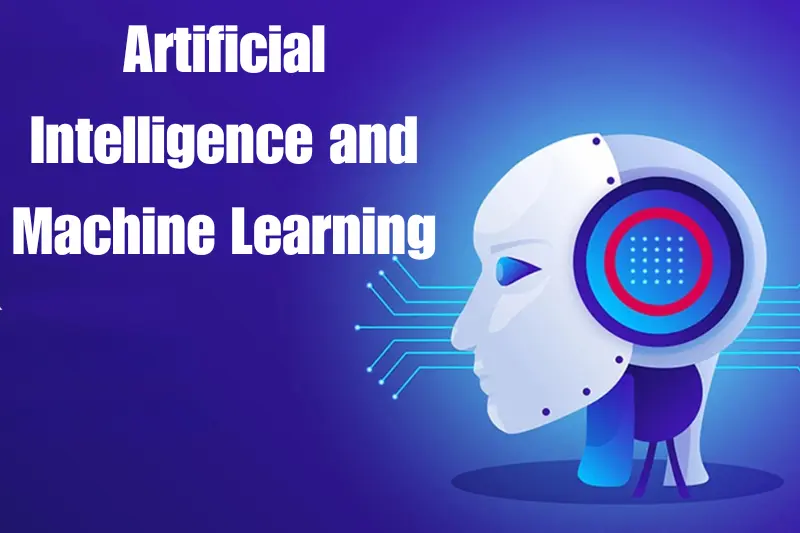
By Future Technology 2025, AI and machine learning (ML) will have matured into powerful tools that will reshape various industries. From healthcare and finance to entertainment and education, AI is expected to become more integrated into everyday life, enabling businesses to make data-driven decisions with unprecedented accuracy. In 2025, AI-powered personal assistants will evolve beyond simple voice commands and will be able to predict user needs based on previous interactions, preferences, and even emotional cues.
Key Trends:
- Autonomous Systems: We will see more widespread use of autonomous vehicles, drones, and robots powered by AI, revolutionizing logistics, transportation, and delivery services.
- AI in Healthcare: Machine learning algorithms will assist in diagnosing diseases, predicting patient outcomes, and developing personalized treatment plans, greatly enhancing the precision of healthcare delivery.
- Ethical AI: As AI becomes more pervasive, there will be a greater emphasis on developing ethical AI, ensuring that algorithms are unbiased and transparent.
You may also like to read this:
Top Smart Blue Tech Trends 2025 For Marine Sustainability
12 Latest Smart Blue Technology Developments 2025
AI in 2025: Future Tech News And Trends Explained
Latest In Future Tech: AGI, Quantum Computing & More
Top 10 Emerging Future Tech Innovations Transforming 2025
2. Quantum Computing
Quantum computing is poised to revolutionize fields such as cryptography, material science, and complex simulations. By Future Technology 2025, quantum computers will no longer be a theoretical concept but a practical tool for solving problems that are beyond the capabilities of classical computers. Companies like IBM, Google, and startups are making significant strides in developing quantum processors that leverage the principles of quantum mechanics.
Key Trends:
- Breakthroughs in Cryptography: Quantum computers will be able to break existing encryption systems, leading to the development of quantum-resistant encryption protocols to secure digital data.
- Advancements in Medicine: Quantum computing will accelerate drug discovery and enable simulations of complex biological systems, potentially leading to breakthroughs in treatments for diseases such as cancer and Alzheimer’s.
3. 5G and Beyond: The Age of Hyperconnectivity
By Future Technology 2025, 5G networks will be fully deployed worldwide, enabling faster and more reliable connectivity for billions of devices. The high-speed, low-latency capabilities of 5G will fuel the growth of the Internet of Things (IoT) and pave the way for the next generation of connected technologies, including augmented reality (AR), virtual reality (VR), and smart cities.
Key Trends:
- IoT Expansion: 5G will allow for the seamless communication between a vast number of connected devices, making smart homes, wearable devices, and connected cars even smarter and more efficient.
- Smart Cities: Urban areas will become smarter by integrating sensors, AI, and IoT with 5G networks to enhance traffic management, waste management, energy use, and public safety.
- Enhanced AR/VR Experiences: 5G will unlock high-quality, immersive AR and VR experiences for entertainment, gaming, and even remote work.
4. Robotics and Automation
Automation and robotics will continue to evolve, reshaping industries and the workforce. In Future Technology 2025, robots will be used for more than just manufacturing; they will be integrated into healthcare, education, agriculture, and even customer service. Autonomous robots will be able to perform tasks more efficiently and accurately than humans, leading to improved productivity and cost savings.
Key Trends:
- Collaborative Robots (Cobots): Cobots will work alongside humans in industries such as manufacturing, healthcare, and logistics, enhancing productivity and safety.
- Healthcare Robots: Robots will assist in surgeries, patient care, and rehabilitation, reducing the strain on healthcare professionals and improving patient outcomes.
- Agricultural Robots: The rise of precision farming will be fueled by robots that can plant, harvest, and monitor crops, reducing waste and increasing food security.
5. Biotechnology and Genetic Engineering
Biotechnology will continue to make leaps forward in Future Technology 2025, particularly in the fields of genetic engineering, personalized medicine, and bioinformatics. Advances in CRISPR gene editing technology will allow for precise modifications to DNA, paving the way for curing genetic diseases, improving crop yields, and even extending human lifespan.
Key Trends:
- Personalized Medicine: By Future Technology 2025, healthcare will be more personalized, with treatments tailored to an individual’s genetic makeup. This will lead to more effective and targeted therapies, particularly in the treatment of cancer and genetic disorders.
- Synthetic Biology: The development of synthetic organisms designed to perform specific tasks could revolutionize industries like energy production, waste management, and pharmaceuticals.
- Human Enhancement: Biotechnology will play a key role in human enhancement, from improving cognitive abilities to extending lifespan through gene therapies and advanced prosthetics.
6. Sustainable Energy Solutions
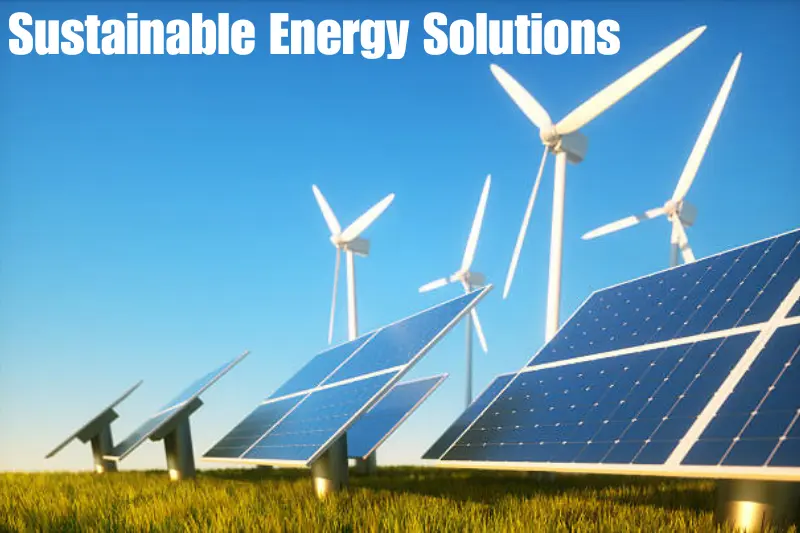
As climate change continues to pose a global challenge, the demand for sustainable energy solutions will increase exponentially by Future Technology 2025. Renewable energy technologies, such as solar, wind, and geothermal power, will see continued advancements, while energy storage solutions will become more efficient and affordable.
Key Trends:
- Solar and Wind Power: Solar and wind energy will become even more efficient, with new materials and technologies driving down costs and increasing adoption. Offshore wind farms, for example, are expected to grow exponentially.
- Energy Storage: Breakthroughs in energy storage technologies, such as solid-state batteries and advanced supercapacitors, will allow for more reliable and widespread use of renewable energy sources.
- Smart Grids: Smart grids will optimize the distribution of energy by automatically adjusting to demand and integrating renewable energy sources, making energy consumption more efficient.
7. Blockchain and Decentralized Systems
Blockchain technology will continue to evolve in Future Technology 2025, becoming more integrated into various sectors, including finance, supply chain, and healthcare. Decentralized applications (dApps) and smart contracts will allow for more transparent, secure, and efficient transactions without the need for intermediaries.
Key Trends:
- Decentralized Finance (DeFi): DeFi will transform the financial sector by eliminating traditional banking intermediaries, allowing for peer-to-peer financial services such as lending, borrowing, and trading.
- Supply Chain Transparency: Blockchain will be used to track the origin and movement of goods, ensuring greater transparency and reducing fraud in industries like food production, pharmaceuticals, and luxury goods.
- Healthcare Data Security: Blockchain will provide a secure, tamper-proof way of storing and sharing healthcare data, ensuring patient privacy and improving the accuracy of medical records.
8. Augmented Reality (AR) and Virtual Reality (VR)
By Future Technology 2025, AR and VR will have transcended their use in gaming and entertainment and will become mainstream tools in industries such as education, training, and retail. These immersive technologies will enable more engaging and interactive experiences for users.
Key Trends:
- Education and Training: AR and VR will revolutionize education by offering immersive learning experiences, from virtual classrooms to hands-on simulations in fields like medicine and engineering.
- Retail and Shopping: Virtual storefronts and AR-based shopping experiences will allow consumers to try on clothes, visualize products in their homes, and make purchases from anywhere in the world.
- Remote Work and Collaboration: VR will enhance remote work experiences by providing virtual offices, meeting spaces, and collaborative environments for teams to interact and share ideas in real time.
9. Space Exploration and Commercialization
The space industry is entering a new era, with private companies like SpaceX, Blue Origin, and others leading the charge in space exploration and commercialization. By Future Technology 2025, space tourism will become more accessible, and the moon may become the next frontier for resource extraction and habitation.
Key Trends:
- Space Tourism: Commercial space travel will become a reality for wealthy individuals, offering suborbital flights to the edge of space.
- Lunar Base: Efforts to establish a permanent human presence on the moon will progress, with NASA’s Artemis program aiming to land the first woman and next man on the moon by 2024.
- Space Mining: The commercialization of space mining will pave the way for harvesting resources from asteroids and other celestial bodies, potentially solving resource shortages on Earth.
10. Edge Computing and Internet of Things (IoT)
Edge computing is set to play a pivotal role in Future Technology 2025 by bringing computation and data storage closer to the sources of data. In combination with IoT, edge computing will allow for faster data processing and real-time decision-making, especially in environments where milliseconds matter, such as autonomous vehicles and industrial automation.
Key Trends:
- Real-Time Data Processing: Edge computing reduces latency by processing data closer to where it’s generated, enabling more responsive systems, especially in applications like smart cities, autonomous vehicles, and healthcare devices.
- IoT Expansion: The number of connected devices will skyrocket, with everyday objects being equipped with sensors to collect and transmit data. Edge computing will ensure these devices can work efficiently and securely without overloading central servers.
- Enhanced Privacy and Security: Since data is processed locally, edge computing can provide an extra layer of security, reducing the risks associated with transmitting sensitive data over long distances to centralized cloud servers.
11. Human-Machine Interfaces (HMIs)
In Future Technology 2025, human-machine interfaces (HMIs) will undergo significant advancements, making the interaction between humans and machines more seamless, intuitive, and immersive. Brain-computer interfaces (BCIs) and advanced voice recognition systems will redefine how we interact with technology, opening new possibilities in accessibility, healthcare, and entertainment.
Key Trends:
- Brain-Computer Interfaces: BCIs will enable users to control devices using their thoughts, which could revolutionize fields like healthcare (for patients with mobility impairments), entertainment (immersive gaming experiences), and even communication (allowing speech for people with speech disabilities).
- Voice and Gesture Control: Advances in natural language processing and gesture recognition will allow for more intuitive control of devices, from smartphones to smart homes and even complex machinery.
- Personalized Digital Assistants: Digital assistants will become even more personalized, anticipating user needs based on behavioral patterns, emotional states, and preferences, making everyday interactions smoother and more efficient.
12. Extended Reality (XR) and Metaverse
Extended reality (XR), which includes virtual reality (VR), augmented reality (AR), and mixed reality (MR), will redefine how we interact with the digital world by Future Technology 2025. The concept of the metaverse—a shared, immersive virtual space where users can interact with each other and digital environments—will continue to gain traction across entertainment, business, and social spaces.
Key Trends:
- Work and Collaboration in the Metaverse: In 2025, work and social activities will increasingly take place in the metaverse, where virtual offices, meetings, and events will become a part of daily life. This shift will provide new ways for remote teams to collaborate, engage, and innovate together in virtual spaces.
- Digital Twin Technology: The creation of digital replicas of physical objects, buildings, or entire cities will enable simulation and optimization of real-world processes in a virtual environment. For example, architects and urban planners will use digital twins to design more sustainable, efficient cities.
- Immersive Gaming and Entertainment: Gaming will become more immersive, with XR technologies offering realistic, 360-degree worlds that blur the lines between the physical and virtual worlds. The metaverse will also host digital concerts, exhibitions, and experiences for users worldwide.
13. Sustainable Fashion and Wearable Tech
In Future Technology 2025, fashion and technology will increasingly converge. Sustainable fashion will become a prominent trend, with the use of eco-friendly materials and manufacturing processes. Wearable technology will also see significant growth, offering more than just fitness tracking, with innovations aimed at improving health, monitoring vitals, and even enhancing personal style.
Key Trends:
- Smart Fabrics: Clothing will be embedded with sensors and technology that can monitor vital signs, detect environmental conditions, and even adjust the fabric to temperature changes, ensuring both comfort and utility.
- Eco-Conscious Fashion: As sustainability becomes a major focus, the fashion industry will embrace eco-friendly materials, such as bio-fabricated textiles, and reduce waste through innovative recycling technologies.
- Health-Tracking Wearables: Wearable devices will evolve into powerful health-monitoring tools capable of detecting early signs of illnesses, tracking mental well-being, and providing real-time health data to both users and healthcare professionals.
14. Autonomous Transportation and Urban Mobility
By Future Technology 2025, autonomous transportation will be more than just a concept. Self-driving vehicles, electric bikes, and urban air mobility (eVTOLs) will offer sustainable, efficient, and convenient alternatives to traditional transportation, drastically reducing traffic congestion and pollution.
Key Trends:
- Self-Driving Cars and Trucks: Fully autonomous vehicles will become a common sight on the roads, with ride-sharing platforms offering driverless services. Autonomous trucks will also transform logistics and freight transportation, reducing costs and improving safety.
- Electric Vehicles (EVs): EV adoption will reach a critical mass, with more consumers and businesses opting for electric cars, buses, and trucks, powered by renewable energy. Charging infrastructure will expand rapidly, enabling long-distance travel.
- Urban Air Mobility: eVTOLs (electric vertical takeoff and landing aircraft) will provide a new mode of air transport, particularly in crowded cities, for fast, efficient travel above ground-level congestion.
15. Advanced Materials and Nanotechnology
Advanced materials and nanotechnology will be at the forefront of Future Technology 2025, enabling innovations in fields ranging from medicine and electronics to construction and energy. By manipulating materials at the molecular level, scientists will create substances that are stronger, lighter, and more efficient than anything currently available.
Key Trends:
- Nanomedicine: The use of nanoparticles for targeted drug delivery and diagnostic purposes will improve treatment outcomes and reduce side effects for patients, particularly in cancer therapy.
- Self-Healing Materials: In construction and manufacturing, self-healing materials will be used to create structures that can repair themselves when damaged, extending the lifespan of buildings, roads, and machinery.
- Energy-Efficient Materials: New materials will be developed to capture and store energy more efficiently, contributing to a future of sustainable energy systems and reducing the environmental impact of energy production.
Conclusion
Looking ahead to Future Technology 2025, the convergence of AI, quantum computing, robotics, biotechnology, and sustainable energy will reshape industries and everyday life. These innovations will enhance healthcare, drive automation, improve connectivity, and pave the way for smarter, more efficient cities. The rise of decentralized systems like blockchain and the metaverse will transform how we interact with the digital world, while sustainability-focused technologies will address global environmental challenges.
As these advancements continue to evolve, Future Technology 2025 promises a connected, sustainable, and impactful future, presenting vast opportunities and new challenges.
FAQs
Q1. What are the key technologies shaping the future by 2025?
Key technologies include AI, quantum computing, 5G, robotics, biotech, blockchain, AR/VR, and sustainable energy.
Q2. How will AI and machine learning impact industries?
AI will automate tasks, enhance decision-making, and personalize services across industries like healthcare and logistics.
Q3. What role will quantum computing play?
Quantum computing will solve complex problems in cryptography, material science, and medicine.
Q4. How will 5G change connectivity?
5G will enable faster, more reliable internet, fueling IoT, smart cities, and AR/VR advancements.
Q5. What advancements can we expect in robotics?
Robotics will expand to healthcare, agriculture, and customer service, boosting efficiency and safety.


